Olivia Berger · 12 October 2026
Highridge's Park Upgrades Fuel Fresh Opportunities for Youth Athletic Programs Through Coordinated Field Additions
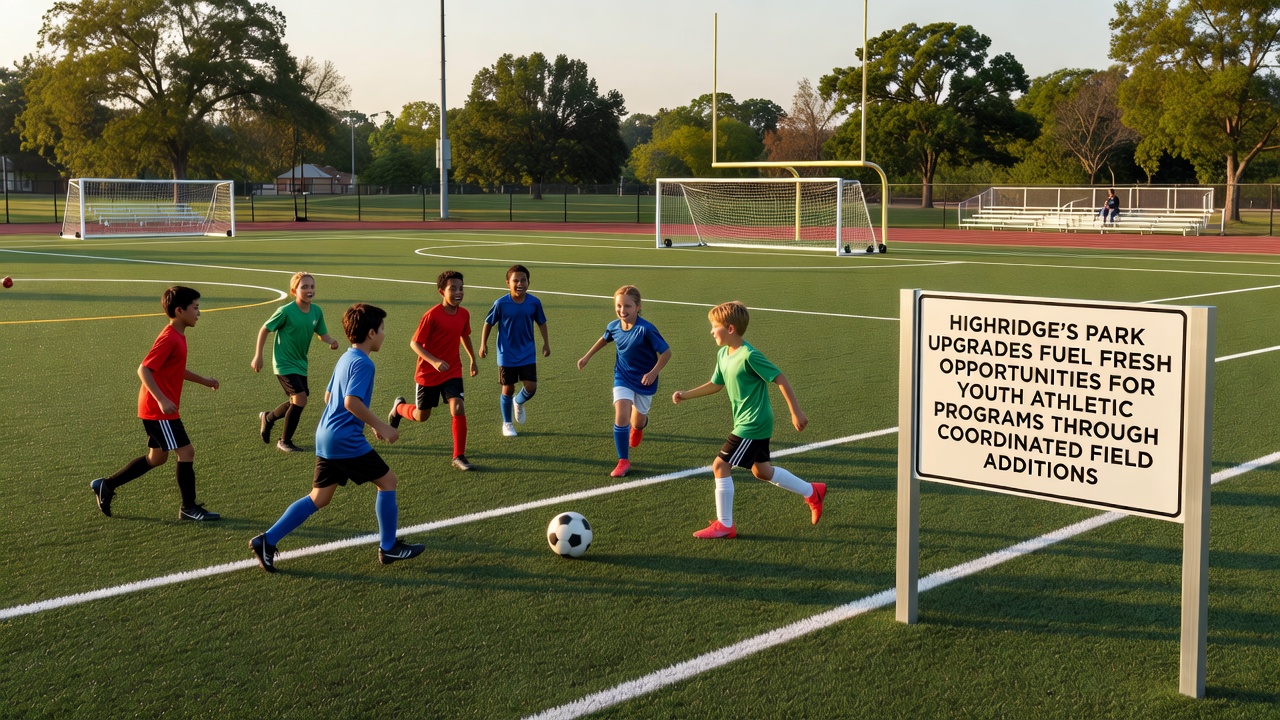
The city of Highridge has completed a series of park upgrades that center on coordinated field additions, and these changes directly support expanded youth athletic programs across multiple sports. Construction wrapped up in phases through October 2026, which allowed local leagues to adjust schedules and register additional teams without extended interruptions. Officials coordinated the work with input from recreation departments, school districts, and community sports organizations so that new turf surfaces, lighting, and drainage systems align with existing fields rather than replace them outright.
Scope of the Field Additions
Three new multi-purpose fields now sit adjacent to the original baseball diamonds at Central Highridge Park, while two dedicated soccer pitches were added at Riverside Green. Each field features synthetic turf rated for both football and lacrosse, along with LED lighting that meets current safety standards set by national athletic associations. Irrigation upgrades reduce water use by roughly 30 percent compared with previous systems, according to municipal engineering reports. The additions increase total playable acreage by 18 percent, a figure drawn from city planning documents that tracked every square meter before and after construction.
Coordinated timing meant crews finished the Riverside Green fields first in summer 2025, which let fall leagues test the surfaces immediately. Central Highridge Park work followed in early 2026 and concluded before school calendars shifted. This sequencing prevented any single season from losing more than two weeks of practice time, and program directors noted that registration numbers rose steadily once the new fields opened.
Effects on Local Youth Programs
Youth soccer leagues report capacity for 240 additional players this season, while baseball and softball organizations added four new teams without waiting lists. Data from the Highridge Parks Department shows a 22 percent increase in overall participation compared with the same period last year. The growth stems from the extra field space rather than marketing campaigns, because registration forms ask participants to list preferred locations and the new fields appear as separate options.
Coaches now rotate practice times across multiple sites on the same evening, which shortens travel for families who live between the two parks. One study by a regional university tracked travel distances for 180 families and found average round-trip mileage dropped by 11 miles per week after the upgrades opened. The same research linked the shorter commutes to higher attendance at mid-week sessions, though weekend tournament participation remained steady.
Partnerships and Scheduling Coordination
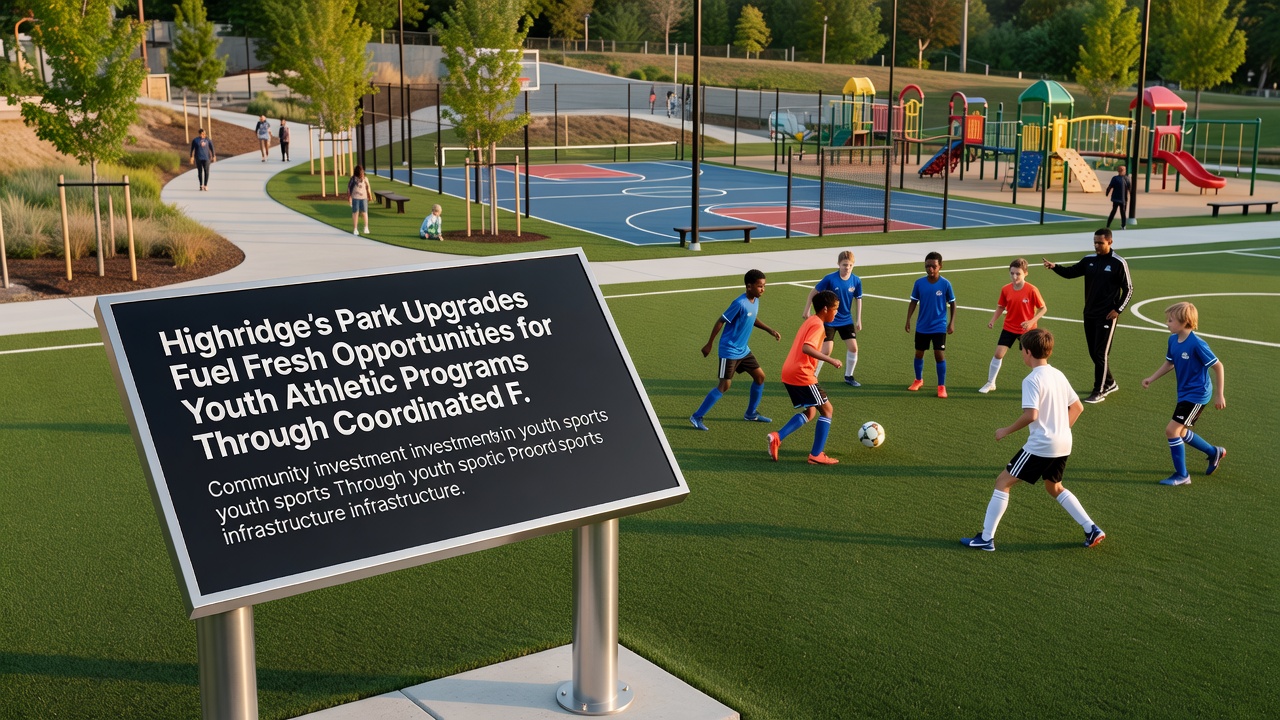
Highridge recreation staff worked with the local school district to share field calendars through a single online platform, which reduced double bookings that previously forced last-minute cancellations. The system also flags maintenance windows so teams know when fields will be closed for aeration or line painting. Similar coordination extends to neighboring towns that occasionally rent space, and those agreements now include clauses that prioritize Highridge youth groups during peak seasons.
According to figures released by the National Recreation and Park Association, communities that integrate field scheduling across multiple agencies see sustained participation growth over three to five years. Highridge matches several of the practices highlighted in that report, including shared maintenance budgets and joint safety inspections. A separate analysis from Parks Canada on multi-use turf fields noted comparable increases in organized youth activity when drainage and lighting improvements accompany new playing surfaces.
Maintenance and Long-Term Planning
City crews received additional training on synthetic turf care before the fields opened, and the parks budget includes line items for quarterly inspections through 2028. Early monitoring shows wear patterns consistent with manufacturer projections, which supports the decision to rotate usage among different age groups rather than concentrate activity on any single field. Officials plan to evaluate lighting energy costs after the first full year of operation and compare those numbers against older fields that still rely on metal halide fixtures.
Future phases could add a small equipment storage building and spectator seating at Riverside Green, though those elements remain in preliminary discussion. The current upgrades focused strictly on playable surfaces and basic infrastructure so that funds stayed within the approved bond measure passed in 2024.
Conclusion
The coordinated field additions at Highridge parks have already altered how youth athletic programs schedule practices and expand rosters. Participation data through October 2026 reflects the additional capacity, while maintenance protocols and inter-agency scheduling systems aim to keep the fields in consistent condition. Continued monitoring will show whether these changes produce lasting shifts in program reach and facility use across the community.