Carlo Griffin · 26 October 2026
Local Initiatives Promote Biodiversity Through Native Plant Restoration in Public Spaces
Communities throughout the Highridge region have launched coordinated efforts to restore native plant species in parks, trails, and municipal green spaces, and these projects have produced measurable gains in local biodiversity metrics since their inception. Data collected by regional environmental monitoring programs show increased populations of pollinators and ground-nesting birds in areas where non-native turf has been replaced with species such as milkweed, goldenrod, and prairie dropseed.
City planners and park departments began prioritizing these restorations after 2023 surveys revealed declining insect biomass in maintained lawns, and subsequent pilot sites demonstrated rapid recovery once native vegetation returned. One project along the eastern ridge trail system converted 12 acres of Kentucky bluegrass to a mix of 35 native forbs and grasses, after which researchers recorded a 47 percent rise in butterfly species richness within two growing seasons.
Scope of Current Restoration Programs
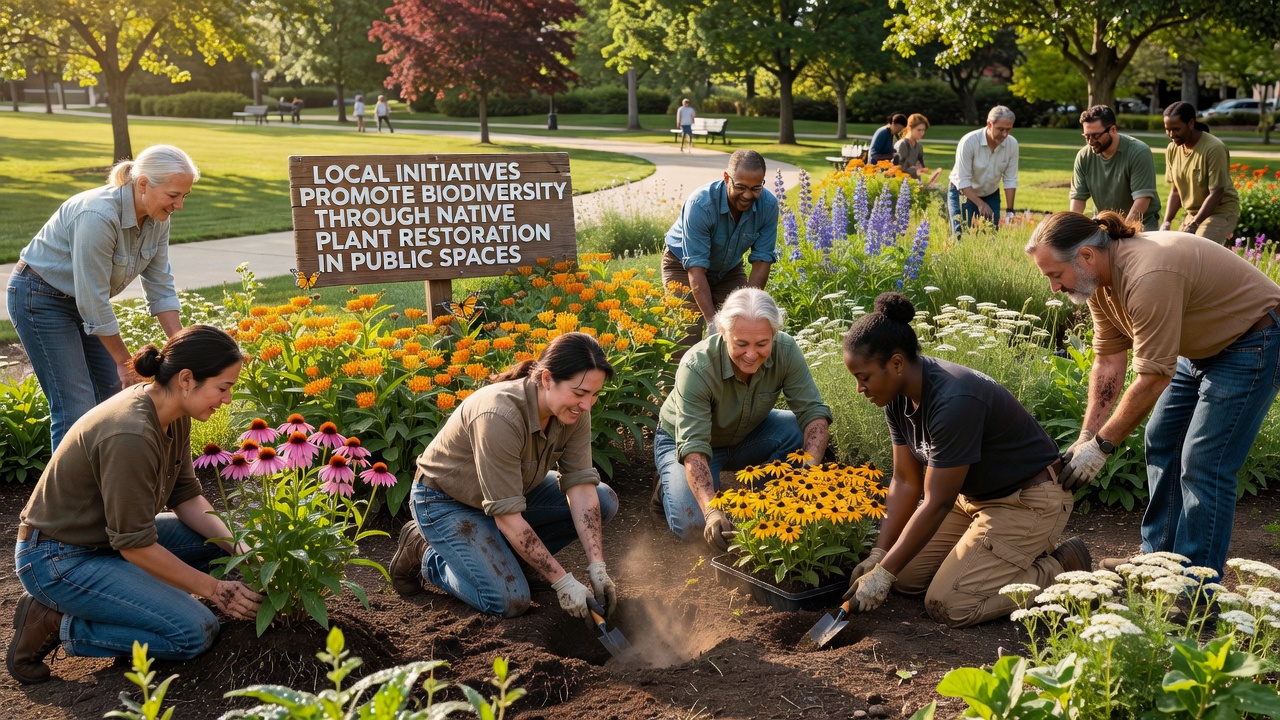
Highridge municipal staff have partnered with county conservation districts to identify priority public parcels based on soil type, existing hydrology, and proximity to remnant natural areas, while volunteers contribute thousands of labor hours each season to remove invasive shrubs and install plugs and seeds. Similar programs operate in neighboring municipalities, creating a connected network of habitat patches that allow species movement across fragmented landscapes.
By October 2026, regional coordinators plan to release updated mapping layers that will guide the next round of site selection, incorporating new drone imagery and soil microbiome data collected during the previous summer. These maps are expected to help prioritize corridors that link existing restoration zones with larger protected areas to the north.
Documented Ecological Outcomes
Studies conducted by university extension offices indicate that native plantings in public spaces support higher densities of native bees compared with adjacent turf areas, and soil analyses reveal improved water infiltration rates after root systems establish. In one monitored downtown plaza, annual runoff volume decreased by 22 percent following conversion of ornamental beds to deep-rooted perennials and sedges.
Avian surveys conducted by local Audubon chapters further show that restored edges attract migratory songbirds that previously bypassed manicured parks, and citizen-science platforms have logged consistent increases in observations of species such as eastern meadowlark and savanna sparrow. These trends align with findings reported by the U.S. Environmental Protection Agency on the role of urban green infrastructure in supporting pollinator networks.
Implementation Methods and Community Involvement
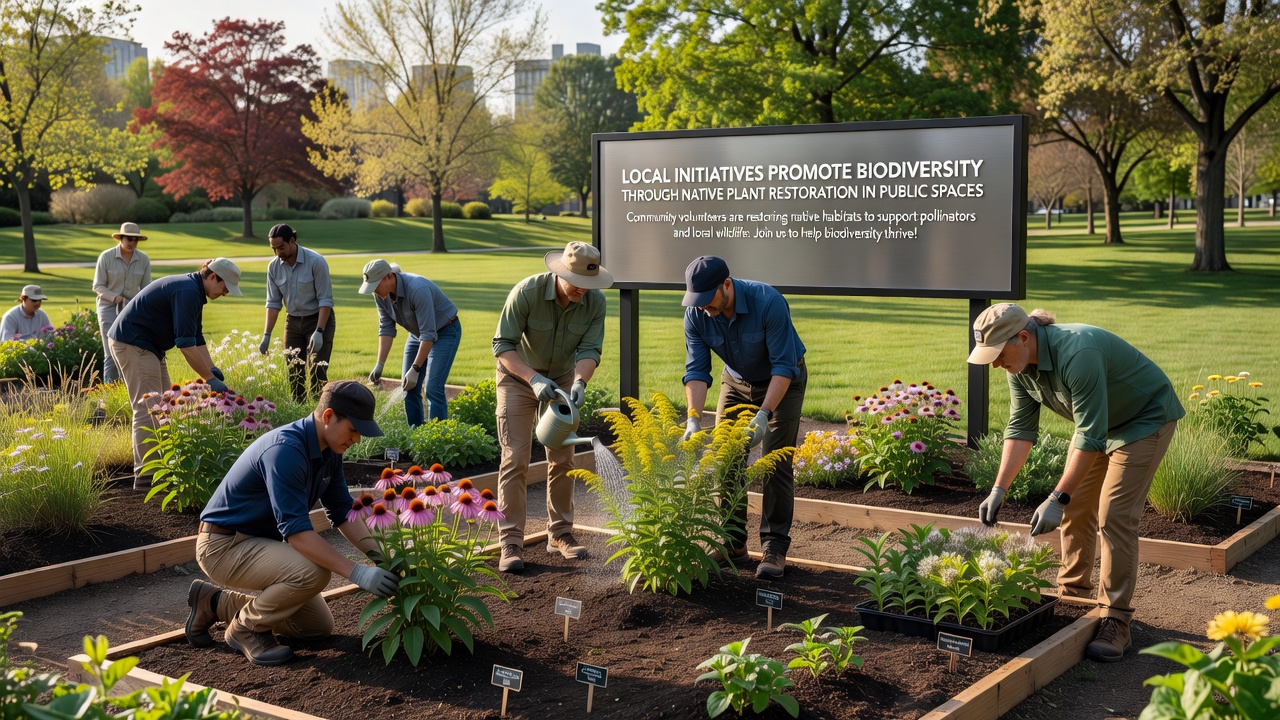
Restoration teams use a phased approach that begins with site preparation through targeted herbicide application or mechanical removal of aggressive non-natives, followed by seeding and plug installation timed to seasonal rainfall patterns. Maintenance crews then conduct periodic spot-weeding and prescribed burns on larger parcels to mimic historic disturbance regimes that keep woody encroachment in check.
Public education components run alongside the physical work, with interpretive signage explaining the connection between plant diversity and water quality, and school groups participate in seasonal seed collection events that supply future plantings. Attendance records from these workshops indicate steady growth in participation since the programs expanded in 2024.
Challenges Encountered and Adjustments Made
Initial plant survival rates varied across sites because of compacted soils and deer browse pressure, prompting crews to incorporate soil aeration and protective fencing during the first two years. Budget tracking shows that combining volunteer labor with small municipal grants has kept per-acre costs below those of conventional landscaping contracts that rely on frequent mowing and irrigation.
Coordination with utility companies has also required careful planning where underground lines intersect planting zones, yet early collaboration has prevented conflicts and allowed some sites to incorporate stormwater features that double as habitat. Observers note that these integrated designs have attracted additional funding from regional watershed groups focused on nutrient reduction.
Broader Regional Context
Highridge efforts mirror initiatives documented across the Midwest and parts of Canada, where municipal agencies have shifted maintenance protocols to favor ecological function over uniform appearance. Reports from the Environment and Climate Change Canada highlight comparable gains in urban biodiversity when native vegetation replaces mowed turf in public rights-of-way.
Long-term monitoring continues to track changes in plant community composition and associated fauna, with data shared through an open-access portal that allows neighboring jurisdictions to compare outcomes and refine techniques. This shared resource has already prompted adjustments in seed mix ratios based on performance across multiple soil types.
Conclusion
Local restoration work in public spaces continues to expand as new parcels enter planning stages and existing sites mature, and the cumulative effect on biodiversity indicators remains under active measurement through repeated surveys and remote sensing. These programs demonstrate how coordinated municipal action combined with community participation can alter vegetation structure and support a wider range of native species within developed landscapes.